
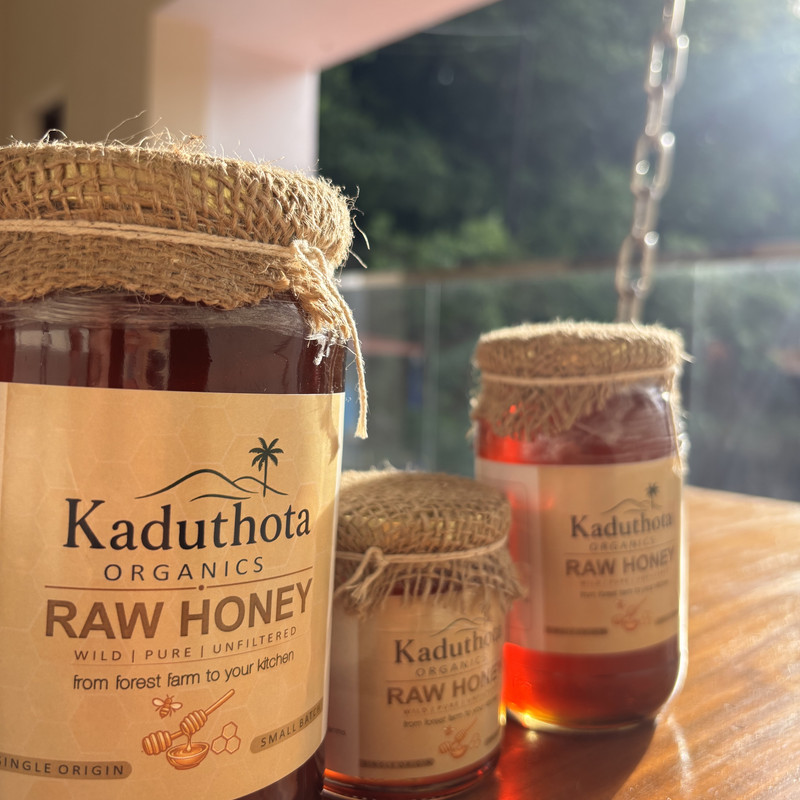
Raw Multifloral Honey from the Western Ghats
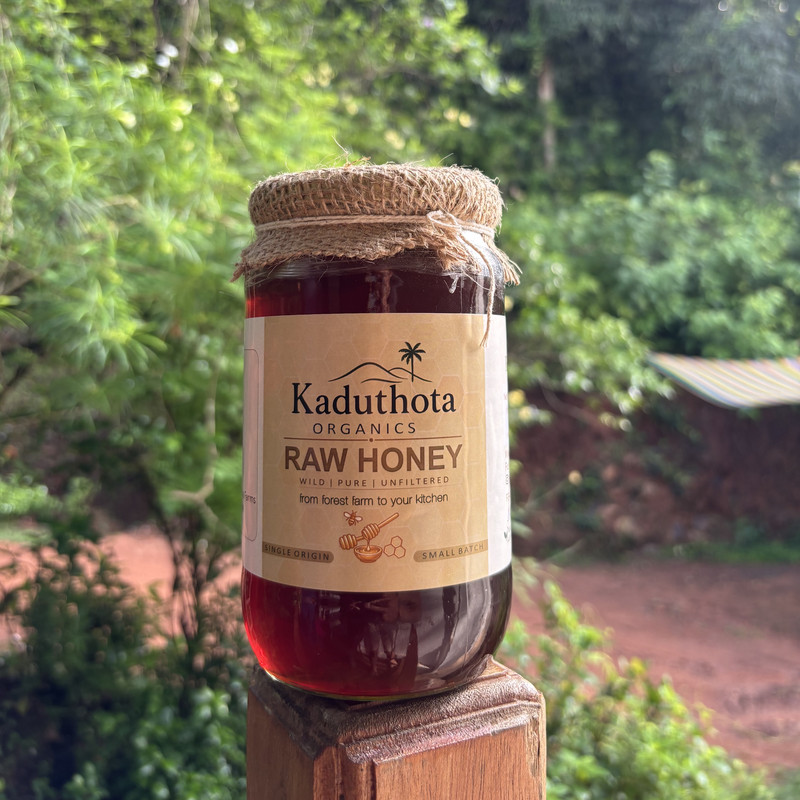
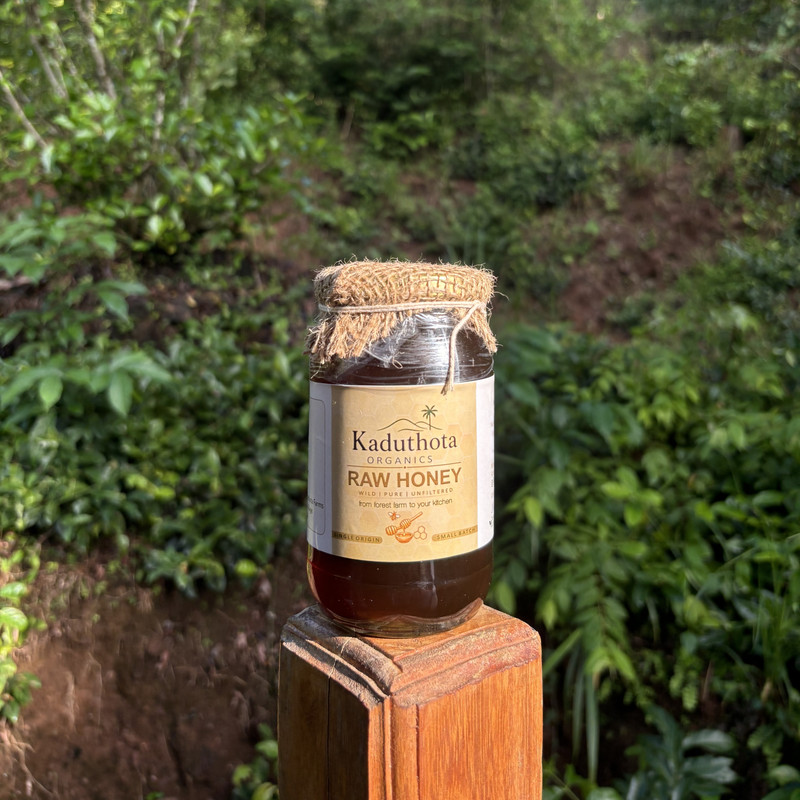
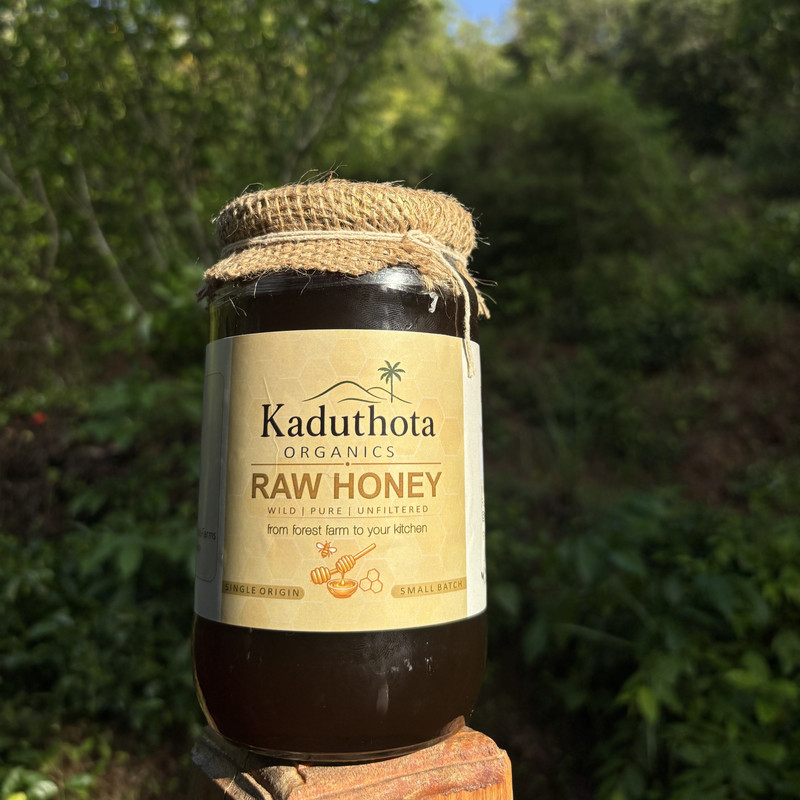
✨ Special Offers: Get 5% OFF on 500g and 10% OFF on 1kg sizes! Free shipping on orders above ₹499.
🌿 Highlights
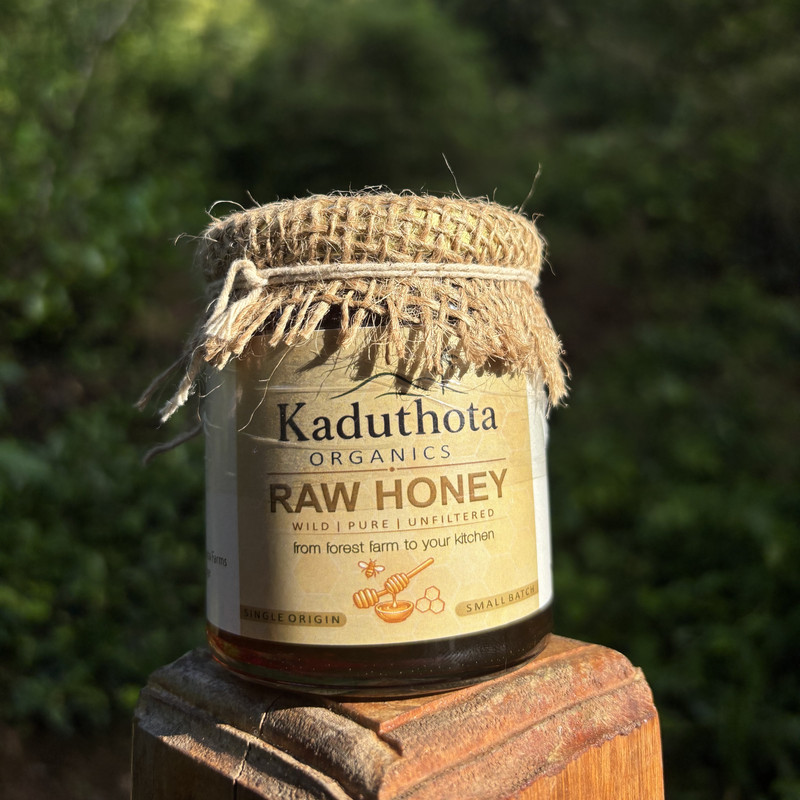
Harvested in small batches from trusted farmers and beekeepers in the Western Ghats, our raw multifloral honey is minimally processed to preserve its natural character. Every bottle reflects the rich biodiversity of the region, offering a unique flavour and authentic farm-fresh quality.
Frequently Asked Questions
Our honey is multifloral raw honey.
The bees collect nectar from a wide variety of wild flowers, trees, and medicinal plants found in the biodiverse Western Ghats region of Karnataka. Since the nectar comes from multiple floral sources rather than a single plant, the honey is classified as multifloral honey.
The exact floral composition changes with the seasons, making every harvest naturally unique in its aroma, taste, and appearance.
Our honey is collected by Indian honey bees (Apis cerana indica) that forage across both natural forests and nearby agricultural landscapes in the Western Ghats.
In reality, bees do not recognize human boundaries—they fly several kilometers in search of nectar. Because of this, "forest honey" and "farm honey" are marketing terms rather than strict scientific classifications.
What matters most is the quality of the nectar sources, the health of the bee colonies, and the way the honey is harvested and handled, not whether the hive is located inside a forest or on a farm.
There is no single "correct" color for natural honey.
Honey can range from light golden to deep amber or even darker shades, depending on the flowers visited by the bees, seasonal conditions, climate, and mineral content of the nectar.
Natural variations in color are a sign of honey's botanical diversity and should not be mistaken for differences in purity or quality.
Natural honey is never exactly the same throughout the year.
Its thickness depends on factors such as temperature, moisture content, floral source, and storage conditions. During cooler weather, honey naturally becomes thicker, while warmer temperatures make it flow more easily.
These changes are completely normal and do not indicate any loss of quality.
No. Crystallization is a natural process and is one of the characteristics of genuine honey.
Honey is a supersaturated solution of natural sugars, primarily glucose and fructose. Over time, the glucose may separate from the water and form tiny crystals, causing the honey to become grainy or solid.
The rate of crystallization depends on the floral source, storage temperature, and the natural sugar composition of the honey. It is not a sign of spoilage or adulteration.
If you prefer liquid honey, simply place the sealed jar in lukewarm water (below 40°C) for some time and stir gently. Avoid overheating, as excessive heat can reduce the natural enzymes and beneficial compounds present in raw honey.